

Phone:
(978) 552-8910
Phone:
(978) 552-8910
1. Enhanced Healing & Energy Efficiency
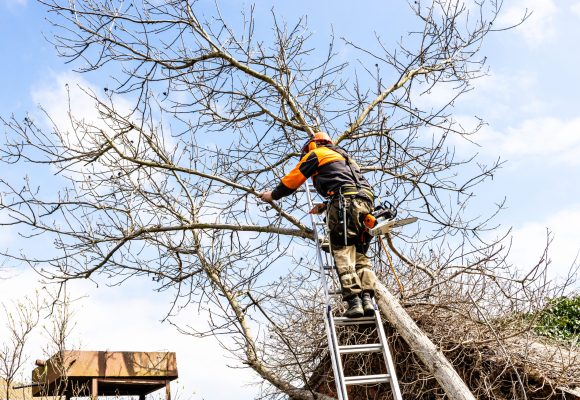
Early spring pruning occurs when energy reserves are high and growth hormones surge. This allows wounds to heal quickly and naturally, reducing the risk of disease or decay
2. Increased Light & Airflow
With bare branches before leaf-out, pruning enhances sunlight penetration and airflow through the canopy. This deters fungal growth and improves photosynthesis—fueling stronger, healthier trees .
3. Disease & Pest Prevention
Pruning in early spring occurs before many insects and pathogens become active. This smaller window for infection and infestation minimizes risks from diseases like oak wilt and pest invasions
4. Structural Integrity & Storm Resistance
Removing damaged, crossing, or weak limbs early prevents further splitting or breakage when new growth begins and storms pick up. This strengthens tree structure and improves safety
5. Better Aesthetics & Flowering
Early spring pruning helps shape tree crowns intelligently—encouraging attractive form and more vibrant blooms or fruiting. Trees that bloom or fruit on new wood, like apple and cherry, particularly benefit from timing cuts before bud break
✅ Best Practices for Spring Pruning
Timing: Late winter to early spring (e.g., late February–early April) before buds swell
Technique: Remove dead or diseased wood first, then thin crossing branches. Don’t prune more than 15–25% of live wood annually to avoid stressing the tree
Clean Cuts: Make smooth cuts just outside the branch collar to support natural wound healing
Tool Care: Keep pruning tools sharp and sanitized to avoid spreading disease
What Are Cabling & Bracing?
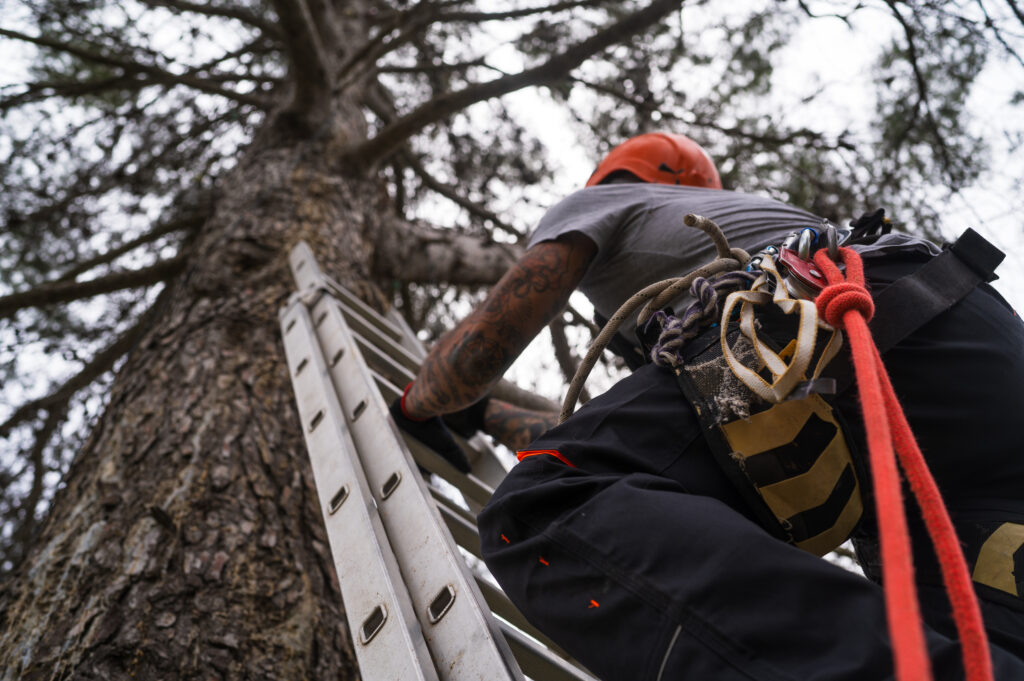
Cabling involves installing flexible steel or synthetic cables between key branches to reduce movement during strong wind events.
Bracing uses rigid rods installed through trunks or branch unions to support splits or structural weaknesses. Often used together, they offer a comprehensive support strategy.
Key Benefits of Cabling & Bracing
Improves Structural Integrity
These systems redistribute weight and stabilize vulnerable areas, helping prevent limb breakage and trunk splitting in storms.
Protects People & Property
Supports reduce the danger of falling limbs that could harm people—even saving vehicles, buildings, and other structures.
Preserves Heritage Trees
Ideal for preserving mature or sentimental trees, these methods help keep them healthy without resorting to full removal.
Cost-Effective Alternative
While an initial investment, cabling and bracing is often cheaper than emergency removal and landscape restoration.
Encourages Natural Healing
Properly installed supports give the tree room to heal and grow stronger over time with less structural stress.
1. Regular Cleaning and Debris Removal
Sweep or blow leaves, dirt, and debris weekly to prevent staining and organic buildup.
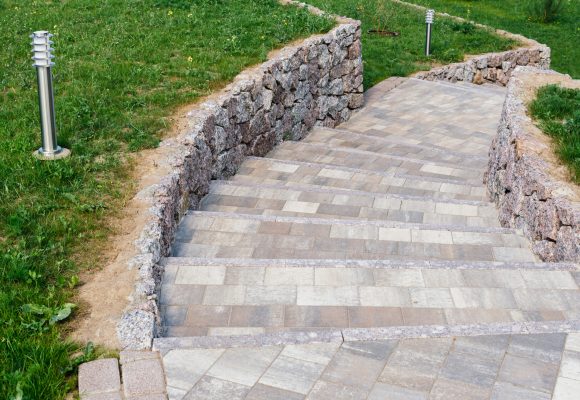
Use a low-pressure washer or mild detergent for deeper cleaning—gentle scrubbing preserves the stone finish without damage
2. Seal Stone Surfaces Periodically
Apply a high-quality stone or paver sealant every 1–3 years to protect against moisture, UV exposure, staining, and freeze-thaw damage.
Seal during dry weather—spring or early summer is ideal—to maximize absorption and performance.
3. Weed Control & Joint Maintenance
Pull weeds from cracks and between pavers regularly.
Use polymeric sand or joint stabilizers during installation or resealing to prevent weed growth and lock stones in place.
Consider landscape fabric under gravel or behind retaining walls to suppress roots.
4. Inspect & Repair Promptly
Inspect seasonally (especially spring/fall) for cracks, loose pavers, or shifting.
Fill cracks with compatible mortar or filler fluids and reset any uneven stones.
For extensive damage—like bulging walls or poor drainage—consult a professional hardscaping contractor.
5. Maintain Drainage & Prevent Water Damage
Ensure proper slope grading, channel drains, and French drains to direct water away from hardscapes and wall bases.
Keep drainage pipes and weep holes clear, especially near retaining walls, to prevent hydrostatic pressure and structural failure .
© 2025 Copyright All rights reserved by gtreenexus.